Featured
Table of Contents
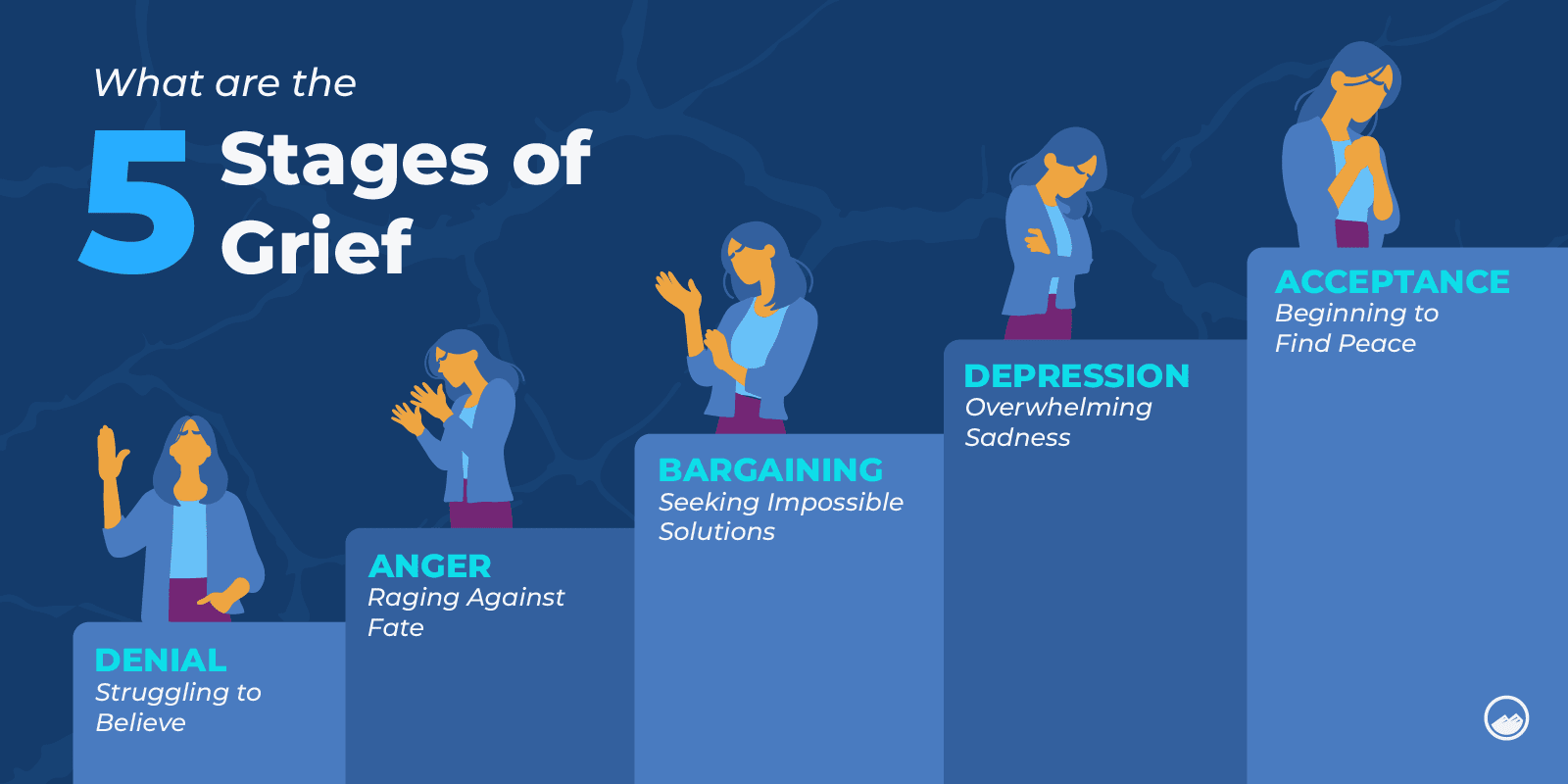
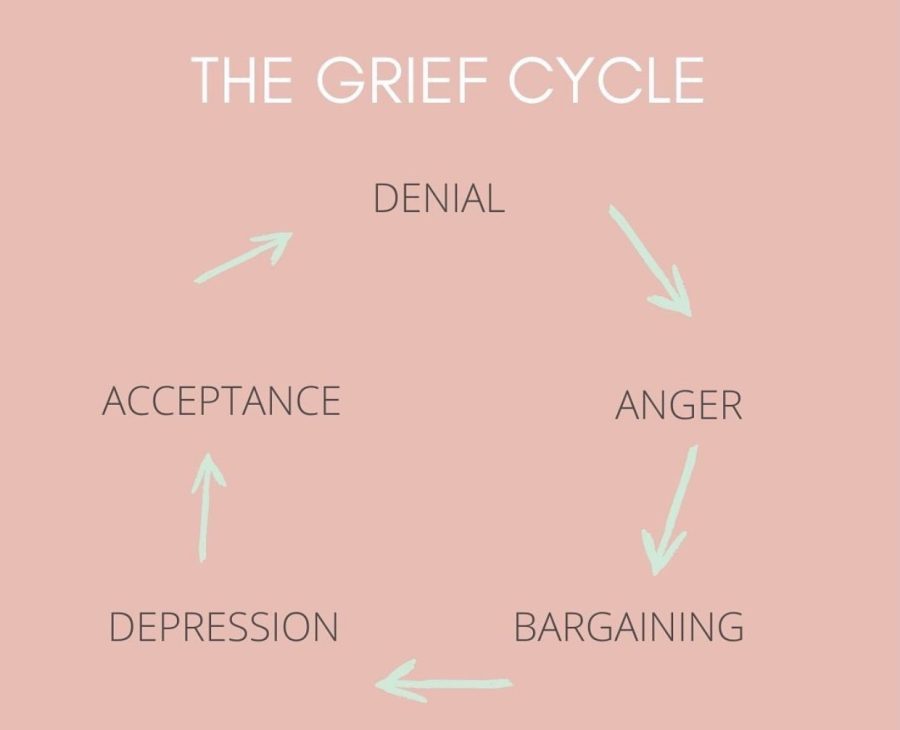
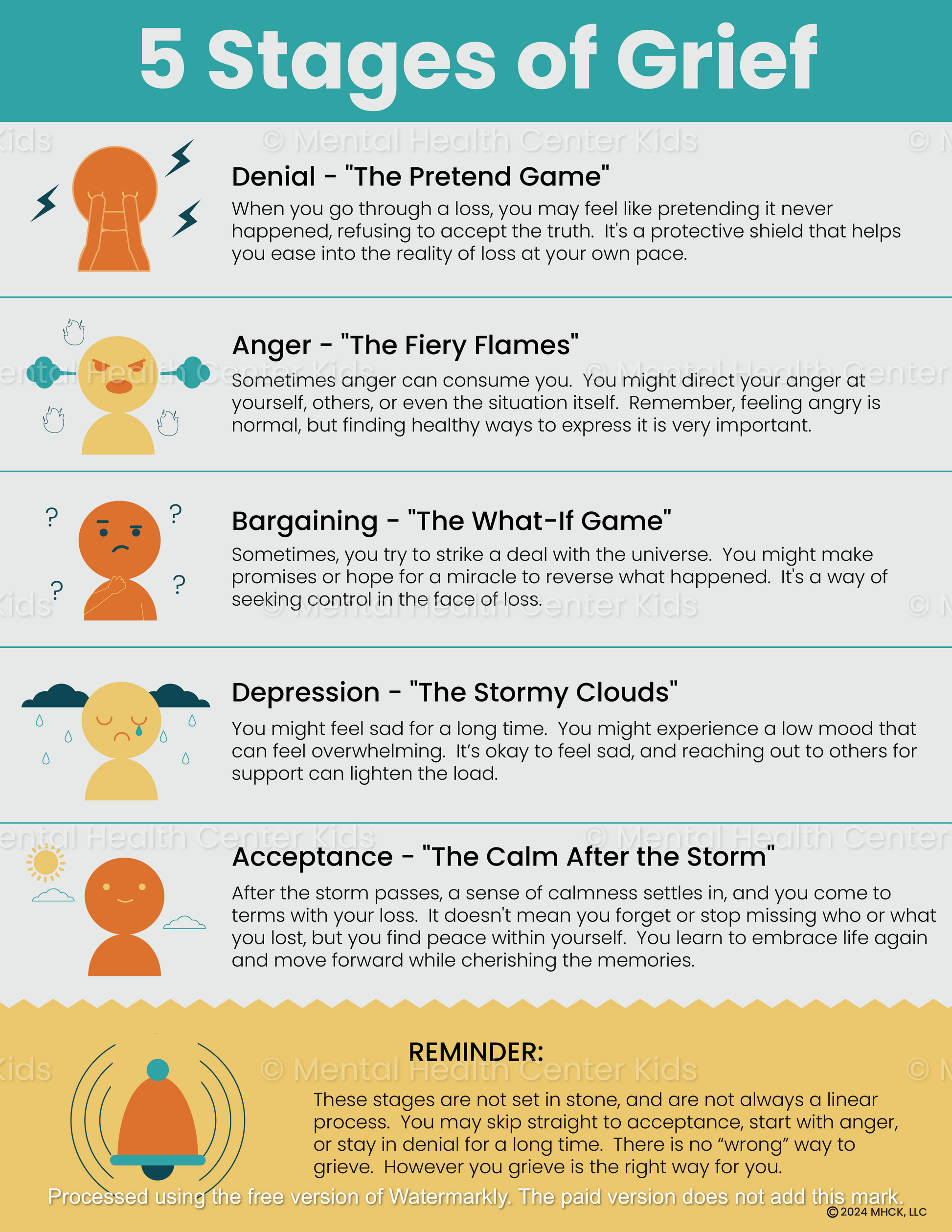
Despair is a complicated process that differs from individual to individual. The 5 phases of pain denial, rage, negotiating, anxiety, and acceptance are a useful framework for considering pain, but it does not indicate we'll go with every stage. We can experience these aspects of pain at different times, and they do not occur in one certain order.
This website uses cookies to help personalise content, tailor your experience and to keep you visited if you register. By remaining to use this site, you are granting our usage of cookies.
This cyclical framework is suggested to aid you better understand your sensations and is not intended to suggest exactly how you need to grieve, what you should be sensation, or in which order. Each phase may come and go or overlap the others.
If you would certainly like to learn more regarding your individual grieving procedure, it's an excellent idea to connect to a relied on mental health and wellness professional to understand on your own far better and develop proper coping techniques. Find out more regarding the 7 phases of grief. Despair can be a difficult and unpleasant process. When a loss takes place, among the first points you may experience is shock.
Working with Manager Parts in High-Achievers
That's because no person can ever before be genuinely prepared for a loss so considerable. When you are in shock after a loss, you may behave generally or as if nothing has occurred. A lot of the time, this is because your body has not processed the loss yet. You might feel like the situation hasn't "sunk in" just.
These feelings and experiences are self-protective devices that function as a buffer to ensure that you are not overwhelmed simultaneously. Because the fatality of a loved one can have such a substantial influence on you, you could experience rejection. During this phase of despair, it is merely as well tough for your brain to comprehend that your relative, pal, or other liked one is gone.
As you slowly begin to accept the loss and what it suggests for your life currently, your denial will certainly begin to diminish. You might have a broader series of feelings and emotions when denial subsides. Until then, you may have durations when you really feel troubled, which can be triggered by tips of your loved one.
In some instances, it's a normal feeling to intend to prevent others to ensure that you do not need to recognize or discuss your loss. Often, you feel absent-minded, get easily distracted, or postpone during this stage of pain. You might likewise attempt to remain active at all times or closed down psychologically.
The Impact of Somatic Therapy in Anxiety Management
In certain scenarios, you might likewise really feel angry with the medical care carriers, your close friends, member of the family, God, or any type of various other soul(s) you count on. However under all that temper is your discomfort. While it may be unpleasant to deal with, it offers extra structure to your mourning than staying numb.
During this stage, individuals commonly feel powerless and helpless and ask themselves "what if" concerns. You may feel guilty for refraining from doing even more to keep the loss from happening or for not spending more time with the person you shed. During the bargaining stage, it's usual to question or claim, "I need to have done this ..." or "If I had actually just done that ..." While these kinds of doubts are typical, they are not where you desire your thought procedure to remain.
Frequent Misunderstandings About Mental Health Treatment for Successful Professionals
Instead, attempt considering any type of great memories you have with them. Often, just reviewing these ideas can assist you release the guilt. It might additionally be handy to do something particular, like write a letter to your liked one or speak to them aloud. When you concern terms with the fact of the loss, a deeper level of unhappiness might start to slip in.
You can also check out for a list of added sources or call the number below to reach Substance Misuse and Mental Health And Wellness Solutions Administration (SAMHSA) hotline. The testing phase of the grieving process usually entails experimenting with various points that assist you move ahead. In this phase, you are beginning to build your new typical in addition to processing your feelings and feelings produced by the loss.
Reaching the acceptance phase does not imply you are alright with what took place. Instead, this part of the grieving process is more about approving what your life resembles currently. You will still require to listen to your feelings and adjust, but you will begin to really feel more wholeeven if it looks various than it did previously.

Latest Posts
The Two-Way Street: Sexual Trauma Fueling Trauma Presentation
Clinical Therapies for PTSD Treatment
Trauma Recovery Therapeutic Retreats in Northampton